


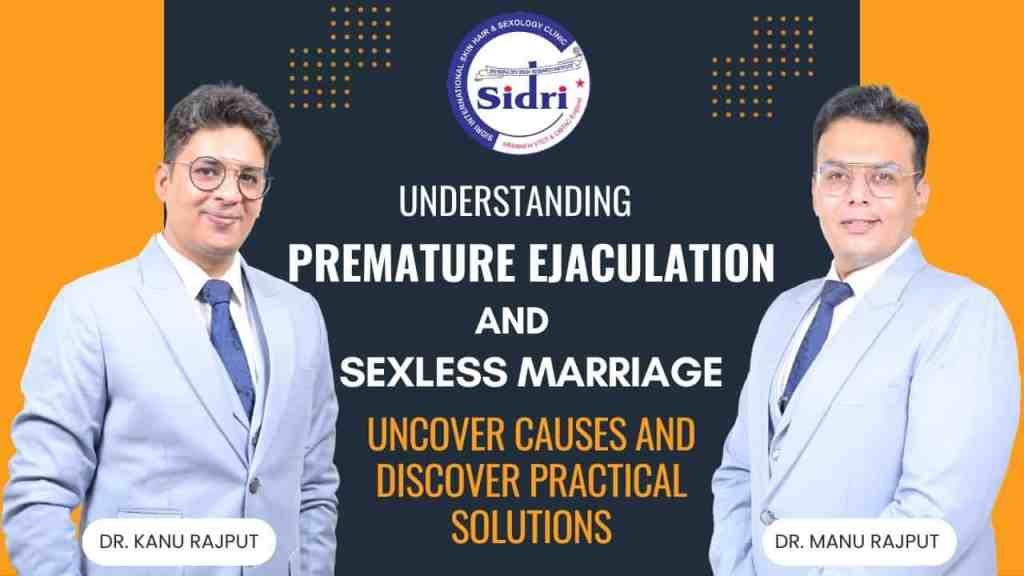
Premature Ejaculation in a Sexless Marriage: Underlying Causes and Practical Solutions
1. Introduction: Why Talk About Premature Ejaculation and Sexless Marriages?
Premature ejaculation and sexless marriages are often seen as taboo topics, but they can significantly impact individuals and relationships. Let’s break down why it’s crucial to discuss these issues openly and candidly.
1.1 What is Premature Ejaculation?
Premature ejaculation (PE) is a condition where a man ejaculates sooner during sexual intercourse than he or his partner would like.
- Prevalence: Affects approximately 1 in 3 men at some point in their lives.
- Types:
- Primary PE: Present from the first sexual experience.
- Secondary PE: Develops later after previously normal sexual activities.
- Symptoms: Ejaculation that nearly always happens within one minute of penetration, inability to delay ejaculation, and distress about the condition.
1.2 What Defines a Sexless Marriage?
A sexless marriage is typically characterized by a lack of sexual activity between partners.
- Frequency: Generally, having sex less than 10 times a year.
- Factors: Various factors lead to a sexless marriage, including but not limited to:
- Physical Health Issues: Chronic diseases, hormonal imbalances.
- Psychological Factors: Stress, anxiety, depression.
- Relationship Dynamics: Communication gaps, unresolved conflicts.
- Implications: Can lead to emotional distance, resentment, and decreased marital satisfaction.
1.3 Why This Topic is Important
Understanding and addressing premature ejaculation and sexless marriages have far-reaching implications.
- Emotional Well-being: Both conditions can lead to feelings of inadequacy, frustration, and low self-esteem.
- Relationship Health: Can create distance between partners, fostering a lack of intimacy and connection.
- Mental Health: Linked to anxiety, depression, and other mental health issues.
- Physical Health: Sexual health is a key component of overall health.
So, what’s next? Let’s dive deeper into understanding the complexities and finding solutions.
2. What is Premature Ejaculation?
Premature ejaculation (PE) is a common sexual dysfunction that can affect men of all ages. Let’s explore its clinical aspects and classification.
2.1 Clinical Definition
PE is defined as a condition where a man ejaculates sooner than he or his partner would like during sexual encounters.
- Timing: Ejaculation usually occurs within one minute of penetration.
- Diagnosis Criteria:
- Persistent or recurrent pattern for at least six months.
- Inability to delay ejaculation on nearly all occasions.
- Causes significant distress or interpersonal difficulty.
- Factors: Can be influenced by psychological (e.g., anxiety), biological (e.g., hormonal issues), and social factors (e.g., relationship dynamics).
2.2 Types and Severity
Understanding the types and severity of PE helps in identifying the appropriate treatment strategies.
- Types of PE:
- Primary (Lifelong) PE: Has been present since the first sexual encounters.
- Secondary (Acquired) PE: Develops later, after initially having normal sexual performance.
- Severity Levels:
- Mild: Ejaculation occurs within 30 seconds to 1 minute.
- Moderate: Ejaculation occurs within 15 to 30 seconds.
- Severe: Ejaculation occurs even before penetration or within 15 seconds.
Recognizing the type and severity of PE can guide both sufferers and healthcare providers in finding effective solutions.
Now, what should we investigate next?
3. Causes of Premature Ejaculation
Premature ejaculation can be attributed to a variety of factors. Understanding the underlying causes is crucial for effective treatment. Let’s break down the psychological and physical causes.
3.1 Psychological Causes
Psychological factors often play a significant role in premature ejaculation.
- Performance Anxiety: Worrying about sexual performance can create a cycle of anxiety that exacerbates PE.
- Past Trauma: Negative sexual experiences or abuse can contribute to PE.
- Stress: High levels of stress related to work, relationships, or other life areas can impact sexual performance.
- Depression: Can diminish overall interest in sex and affect performance.
- Relationship Issues: Poor communication, unresolved conflicts, and lack of emotional intimacy can contribute to PE.
- Low Self-Esteem: Negative views about oneself can hinder sexual confidence and performance.
3.2 Physical Causes
Several physical health conditions can also be linked to premature ejaculation.
- Hormonal Imbalances: Abnormal levels of hormones, such as testosterone, can affect sexual function.
- Neurochemical Imbalances: Alterations in neurotransmitters (e.g., serotonin) may have an impact on ejaculation timing.
- Erectile Dysfunction (ED): Men with ED might develop PE as they tend to rush to ejaculate before losing an erection.
- Prostatitis: Inflammation of the prostate gland can cause PE.
- Genetic Factors: Some studies suggest that genetic predispositions may influence PE.
- Substance Use: Alcoholism, drug use, and certain medications can interfere with sexual function.
Understanding the root cause(s) of PE is the first step towards finding effective treatments and improving sexual health.
What would you like to explore next?
4. Signs and Symptoms of Premature Ejaculation
Being able to recognize the signs and symptoms of premature ejaculation (PE) helps in addressing it early and seeking appropriate treatment.
4.1 How to Identify Early Signs
Early identification of PE can lead to quicker and more effective interventions.
- Rapid Ejaculation: Ejaculation occurs within one minute of penetration on almost all occasions.
- Inability to Delay Ejaculation: Difficulty or inability to delay ejaculation during intercourse or other sexual activities.
- Ejaculation with Minimal Stimulation: Ejaculation happening with very little sexual stimulation, often before penetration or immediately after.
- Distress: Increased personal distress and frustration because of the inability to control ejaculation.
- Avoidance of Sexual Intimacy: Reluctance or avoidance of sexual intimacy due to anxiety or fear of ejaculating prematurely.
- Partner Dissatisfaction: Reports of dissatisfaction from a partner due to the premature nature of ejaculation and its impact on intimacy.
4.2 When to Seek Help
Not all cases of PE require medical intervention, but there are situations where professional help is warranted.
- Persistent Symptoms: If PE symptoms persist for six months or longer.
- Impact on Well-being: When PE significantly affects self-esteem, mental health, or the quality of life.
- Relationship Issues: If PE is causing significant problems in a relationship, leading to conflicts or emotional distance.
- Psychological Distress: Experiences of severe anxiety, depression, or other emotional difficulties as a result of PE.
- Failure of Self-Management: If self-help strategies (e.g., behavioral techniques, relaxation exercises) are not effective.
Consulting with a healthcare professional, such as a sexologist urologist, sex therapist, or psychologist, can provide tailored solutions and support for managing PE.
5. The Emotional Impact of Premature Ejaculation
Premature ejaculation (PE) does not just affect physical aspects of sexual activity; it also has significant emotional consequences that can impact various dimensions of an individual’s life.
5.1 Effects on Self-Esteem
The emotional toll of PE can substantially influence a person’s self-esteem.
- Negative Self-Perception: Men with PE may develop a negative view of their sexual abilities, leading to diminished self-worth.
- Shame and Embarrassment: Persistent challenges with ejaculation control often result in feelings of shame and embarrassment.
- Comparison to Others: Comparing oneself negatively to others, real or perceived, can further erode self-confidence.
- Impact on Masculinity: Societal norms and expectations around masculinity can amplify feelings of inadequacy.
- Reluctance to Intimacy: Fear of failure or disappointing a partner may lead to a reluctance to engage in intimate relationships, further isolating the individual.
5.2 Anxiety and Stress Factors
Anxiety and stress are both causes and consequences of PE, creating a potentially vicious cycle.
- Sexual Performance Anxiety: Worrying about ejaculating too soon can increase anxiety, which in turn makes premature ejaculation more likely.
- Generalized Anxiety: Anxiety not related to sexual performance can spill over into sexual contexts, compounding the problem.
- Elevated Stress Levels: Ongoing stress from various life aspects (e.g., work, relationships) can affect sexual function.
- Partner-Related Stress: Concerns about a partner’s dissatisfaction can heighten stress and pressure to perform better.
- Cycles of Anxiety: Episodes of PE can build up cumulative anxiety, making future sexual encounters more stressful and challenging.
Understanding the emotional ramifications of PE is crucial for addressing the condition in a holistic manner, ensuring treatment and support extend beyond the physical symptoms to enhance overall well-being.
6. Understanding Sexless Marriages
Sexless marriages can be a sensitive topic, but understanding the dynamics is crucial for addressing underlying issues and improving relationship satisfaction.
6.1 Definition and Facts
Clearly defining what constitutes a sexless marriage helps in identifying and addressing the issue effectively.
- Definition: A sexless marriage typically refers to a marital relationship in which the couple has little to no sexual activity. While definitions can vary, it is often characterized by fewer than 10 sexual encounters per year.
- Prevalence: Studies suggest that 10-20% of marriages could be classified as sexless. This statistic can vary based on differing definitions and cultural contexts.
- Influencing Factors: Various factors can contribute, including physical health issues, emotional or psychological concerns, lifestyle changes, and relational dynamics.
- Emotional Impact: The absence of sexual intimacy can lead to feelings of frustration, disconnection, and emotional distance between partners.
- Potential for Resolution: Many couples can improve their intimacy with effective communication, counseling, or medical intervention, highlighting the potential for positive change even in sexless marriages.
6.2 Common Misconceptions
Understanding and dispelling common misconceptions is crucial for approaching the topic constructively.
- Lack of Love or Attraction: One common misconception is that a sexless marriage is indicative of a lack of love or physical attraction. However, many couples still maintain strong emotional bonds and find each other attractive.
- Solely Physical Issue: Another misconception is that sexless marriages are only due to physical problems. In reality, emotional, psychological, and relational dynamics often play significant roles.
- Inevitability: Some believe that a decline in sexual activity is inevitable over time in long-term relationships. While frequency may change, complete cessation isn’t a given and can be addressed.
- Gender Stereotypes: The assumption that men will always desire more sex than women contributes to misunderstandings. Both men and women can experience reduced desire, and it varies greatly by individual and context.
- Irreparability: Many think that a sexless marriage cannot be remedied. On the contrary, with open communication, professional guidance, and mutual effort, many couples have successfully reignited their intimacy.
- Sign of Betrayal or Infidelity: Lack of sexual activity is not necessarily a sign that one or both partners are engaging in infidelity or have lost interest exclusively due to external relationships. The causes are often multifaceted.
Understanding these aspects of sexless marriages can lay the foundation for identifying and rectifying underlying issues, helping couples rebuild intimacy and strengthen their relationship.
7. Why Premature Ejaculation Affects Marital Intimacy
Premature ejaculation (PE) can have far-reaching effects on marital intimacy, influencing both physical and emotional aspects of a relationship.
7.1 Connection Between Physical and Emotional Intimacy
The interplay between physical and emotional intimacy is a critical factor in understanding the impact of premature ejaculation.
- Intimate Bond: Physical intimacy is often considered an expression of emotional closeness. PE can disrupt this bond, leading to feelings of distance.
- Mutual Satisfaction: Sexual satisfaction is important for both partners. When PE affects the ability to maintain or achieve mutual satisfaction, emotional strain can develop.
- Communication Breakdown: Couples may avoid discussing PE out of embarrassment or fear, which can lead to misunderstandings and hidden resentments.
- Emotional Closeness: Regular physical intimacy fosters emotional closeness. When PE interferes with sexual activity, couples may miss out on opportunities to connect emotionally.
- Trust and Vulnerability: Successful management of PE requires open communication and mutual support, fostering trust and reinforcing emotional intimacy.
- Strengthened Connection: Addressing and overcoming PE can strengthen the bond between partners, showing commitment to the relationship and each other’s well-being.
7.2 Psychological Barriers
PE can introduce several psychological barriers that may further affect marital intimacy.
- Performance Anxiety: Worrying about premature ejaculation can create a cycle of anxiety, making it increasingly difficult to perform sexually and enjoy the moment.
- Fear of Intimacy: Partners might avoid sexual encounters altogether to prevent potential embarrassment or disappointment, which can create an emotional gap.
- Self-Esteem Issues: PE can lead to diminished self-esteem, affecting how individuals perceive themselves and their desirability within the relationship.
- Partner’s Frustration: The partner who is not experiencing PE directly may also feel frustrated, neglected, or undesirable, leading to further emotional distance.
- Rejection Sensitivity: Fear of criticism or rejection from a partner due to PE can inhibit open discussion and mutual problem-solving.
- Guilt and Blame: Feelings of guilt from the partner experiencing PE and perceived blame from the other partner can escalate tension and affect overall relationship satisfaction.
- Mutual Dissatisfaction: Both partners may experience feelings of dissatisfaction, which can lead to less effort being put into resolving the issue or maintaining intimacy.
Understanding how premature ejaculation affects both the physical and emotional dimensions of a relationship is essential for couples striving to overcome this challenge. Addressing both the symptoms and the psychological impacts can pave the way for a healthier, more intimate marital relationship.
8. Communication is Key: How to Discuss Premature Ejaculation With Your Spouse
Open and honest communication is crucial for managing and overcoming premature ejaculation (PE) in a marriage. Discussing the issue with your spouse can help both partners support each other and find effective solutions together.
8.1 Starting the Conversation
Starting a conversation about premature ejaculation can be challenging, but taking the right approach can ease the process.
- Choose the Right Time: Find a private and comfortable setting to discuss this sensitive topic, ensuring that both partners are relaxed and free from distractions.
- Be Honest and Direct: Clearly communicate your concerns and experiences without beating around the bush. Honesty fosters trust and prevents misunderstandings.
- Express Your Feelings: Share your feelings about how PE affects you and your relationship. Use “I” statements to avoid sounding accusatory, e.g., “I feel concerned about our intimacy.”
- Be Supportive: Reassure your spouse that this issue is something you want to address together, emphasizing that it’s not a reflection of their worth or your love for them.
- Listen Actively: Encourage your spouse to share their feelings and listen without interrupting. Validate their emotions and show empathy.
- Seek Solutions Together: Frame the discussion around working as a team to find solutions, rather than focusing on the problem itself.
8.2 Maintaining Openness
Maintaining ongoing communication is essential for effectively managing the impact of PE on your relationship.
- Regular Check-Ins: Make it a habit to regularly check in with each other about how you’re feeling and any progress or setbacks you experience.
- Encourage Openness: Create a safe space where both partners feel comfortable discussing their feelings, desires, and concerns without fear of judgment.
- Celebrate Progress: Recognize and celebrate any improvements, no matter how small. This can boost morale and reinforce that you’re making strides together.
- Be Patient: Understand that addressing PE is a process that may take time. Patience and understanding from both partners can help maintain a positive atmosphere.
- Seek Professional Help: If needed, don’t hesitate to seek guidance from a healthcare provider or therapist. Professional advice can offer new strategies and emotional support.
- Mutual Respect: Always approach the conversation with respect and compassion. Avoid blaming language and focus on finding solutions that work for both partners.
- Stay Informed: Educate yourselves about PE and its treatments. Knowledge can empower both partners and reduce anxiety about the condition.
Effective communication is fundamental to navigating the challenges of premature ejaculation, fostering a supportive and understanding relationship dynamic. By approaching the situation together, couples can strengthen their bond and enhance both physical and emotional intimacy.
9. Psychological Effects on Both Partners
Premature ejaculation (PE) can have significant psychological effects on both the person experiencing it and their partner. Understanding these effects is essential for addressing and mitigating the emotional and relational challenges that arise.
9.1 Impact on the Sufferer
The individual suffering from premature ejaculation may experience a range of psychological effects, including:
- Low Self-Esteem: PE can lead to feelings of inadequacy and shame, which may significantly lower self-esteem.
- Anxiety: Worrying about sexual performance can cause anxiety, making it difficult to enjoy intimate moments and potentially exacerbating the problem.
- Depression: Persistent issues with PE can contribute to depression, due to ongoing frustration and feelings of hopelessness.
- Embarrassment: The fear of discussing PE can result in embarrassment, making it challenging to seek help or talk to a partner.
- Fear of Intimacy: Concern over sexual performance may lead to avoiding intimacy, which can strain the relationship and lead to further emotional distress.
- Guilt: Sufferers may feel guilty about their inability to satisfy their partner, even if the partner is supportive and understanding.
9.2 Emotional Toll on the Partner
Partners of those suffering from PE may also experience various emotional impacts, such as:
- Frustration: Not feeling satisfied sexually can lead to frustration, which may affect the overall happiness of the relationship.
- Self-Doubt: Partners might question their attractiveness or sexual desirability, leading to insecurities.
- Disappointment: Repeated instances of PE can cause feelings of disappointment, which might create distance and emotional barriers in the relationship.
- Resentment: If the issue is not openly discussed, the partner may start to feel resentful, thinking the sufferer is not making efforts to address the problem.
- Helplessness: Wanting to support their partner but feeling unsure how to help can lead to feelings of helplessness and emotional strain.
- Emotional Distance: Over time, the lack of sexual satisfaction and communication might create emotional distance and reduce feelings of closeness.
- Stress: The overall stress of dealing with the issue and its impact on the relationship can affect the partner’s mental health.
Building a deeper understanding of these psychological effects is crucial in approaching PE with empathy and readiness to support each other. Both partners need to recognize the emotional challenges they face and work together toward overcoming them.
10. Premature Ejaculation and Relationship Issues
Premature ejaculation (PE) can lead to various relationship issues that extend beyond the bedroom. Understanding these issues can help couples address them constructively.
10.1 Trust Erosion
Trust is a foundational element in any relationship, and PE can sometimes erode this trust through the following mechanisms:
- Lack of Communication: Often, the sufferer may avoid discussing the issue out of embarrassment or fear of judgment, which can lead to a breakdown in communication.
- Secrecy: Keeping the problem hidden or downplaying its impact can create a sense of dishonesty or secrecy within the relationship.
- Blame: Either partner might start to blame the other for the issues arising from PE, which can further complicate trust.
- Inconsistent Behavior: Anxiety or stress related to PE can lead to inconsistent behavior, such as mood swings or avoidance, making the partner feel uncertain about the relationship’s stability.
- Misunderstandings: The lack of open dialogue can lead to misunderstandings about each other’s feelings and needs, further eroding trust.
10.2 Intimacy Avoidance
PE can also lead to the avoidance of intimacy, manifesting in several ways:
- Fear of Failure: The fear of experiencing PE again can cause the sufferer to avoid sexual encounters altogether.
- Emotional Withdrawal: Both partners may withdraw emotionally to protect themselves from further disappointment or hurt.
- Reduced Physical Affection: The avoidance of sexual activity might extend to other forms of physical affection, such as hugging or kissing, creating a physical distance between partners.
- Decreased Sexual Desire: Over time, the stress and anxiety surrounding PE can reduce overall sexual desire and interest for both partners.
- Routine Disruption: The couple might start avoiding traditionally intimate settings or activities, disrupting their usual relationship routines.
Addressing these issues requires open communication, empathy, and a willingness to seek solutions together. Therapy, counseling, and other supportive measures can be beneficial in navigating these challenges.
11. Treatment Options for Premature Ejaculation
Premature ejaculation (PE) can be effectively managed through various treatment methods, including medications, therapeutic interventions, lifestyle changes, holistic Ayurvedic treatments, and surgical procedures. This section explores these options, highlighting the pros and cons to offer a comprehensive understanding.
11.1 Medications: What Are Your Options?
Several conventional medications help control premature ejaculation by altering sensitivity or sexual timing.
- Selective Serotonin Reuptake Inhibitors (SSRIs):
- How They Work: Used primarily as antidepressants but delay ejaculation as a side effect.
- Examples: Dapoxetine (Priligy), Sertraline (Zoloft), Paroxetine (Paxil), Fluoxetine (Prozac).
- Potential Side Effects: Nausea, dizziness, fatigue, reduced libido, sexual dysfunction, and erectile dysfunction.
- Pros: Effective for delaying ejaculation and can be used off-label for PE.
- Cons: May take several weeks to become effective, requiring continuous use. Side effects could impact overall quality of life, including the primary issues it seeks to treat like sexual performance and mental well-being.
- Topical Anesthetics:
- How They Work: Creams or sprays applied to the penis, reducing sensitivity.
- Examples: Lidocaine, Prilocaine.
- Potential Side Effects: Skin irritation, risk of transferring the numbing agent to the partner, reduced sexual pleasure.
- Pros: Quick and easy to use, provides temporary relief.
- Cons: Short-term effects with the potential to reduce sexual enjoyment for both partners.
- Tramadol:
- How It Works: A pain medication that can delay ejaculation.
- Potential Side Effects: Drowsiness, dizziness, nausea, and risk of dependence.
- Pros: Effective for short-term management.
- Cons: Risk of dependency and side effects make it unsuitable for long-term use.
11.2 Surgical Procedures: Circumcision, Frenulectomy, and Penile Nerve Block
Surgical treatments provide long-lasting solutions by addressing physical aspects contributing to PE.
- Circumcision:
- How It Works: Surgical removal of the foreskin.
- Potential Side Effects: Pain, infection, reduced penile sensitivity.
- Pros: Can reduce hypersensitivity, potentially delaying ejaculation.
- Cons: Irreversible, with potential for reduced sexual pleasure.
- Frenulectomy:
- How It Works: Removal or loosening of the frenulum.
- Potential Side Effects: Pain, infection, altered sensation.
- Pros: May reduce sensitivity and improve ejaculatory control.
- Cons: Surgical risks and potential complications.
- Penile Nerve Block:
- How It Works: Nerves responsible for sensation are temporarily or permanently blocked.
- Potential Side Effects: Temporary numbness, potential for permanent loss of sensation.
- Pros: Immediate reduction in sensitivity, enhancing control over ejaculation.
- Cons: Risk of adverse effects, may affect overall sexual pleasure.
11.3 Therapeutic Interventions: Behavioral Techniques
Behavioral techniques can be highly effective in managing PE by providing practical methods to control ejaculation.
- Start-Stop Technique:
- How It Works: Stimulating the penis until the brink of ejaculation, then stopping to reduce arousal before resuming.
- Pros: Non-invasive, no side effects.
- Cons: Requires significant patience, self-control, and partner cooperation.
- Squeeze Technique:
- How It Works: Applying pressure to the end of the penis just before ejaculation to reduce arousal.
- Pros: Non-invasive, no side effects.
- Cons: Similar to the start-stop technique, demands a high level of control and cooperation.
- Cognitive Behavioral Therapy (CBT):
- How It Works: Addresses negative thought patterns contributing to premature ejaculation.
- Pros: Reduces anxiety, improves sexual confidence.
- Cons: Requires multiple sessions and sustained effort. Effectiveness depends on an individual’s commitment.
- Sex Therapy:
- How It Works: Therapy sessions with a certified sex therapist to improve sexual communication and intimacy.
- Pros: Helpful for improving relational factors.
- Cons: May not address physiological issues and requires openness and commitment from both partners.
11.4 Lifestyle Adjustments: Diet, Exercise, and Habits
Healthy lifestyle changes can significantly impact overall well-being and sexual health.
- Diet:
- What to Do: Follow a balanced diet rich in fruits, vegetables, whole grains, lean proteins, and healthy fats.
- Pros: Improves overall health, can reduce anxiety and stress levels.
- Cons: Generalized benefits with no immediate effects for PE.
- Exercise:
- What to Do: Regular physical activities like running, swimming, or strength training.
- Pros: Enhances physical fitness, reduces stress, improves self-confidence.
- Cons: Requires consistency and dedication.
- Stress Reduction Techniques:
- What to Do: Practice mindfulness, yoga, meditation, and deep-breathing exercises.
- Pros: Reduces anxiety and stress, which can significantly impact sexual performance.
- Cons: Effectiveness varies based on the individual’s ability to practice these techniques regularly.
11.5 Ayurvedic Treatments: A Holistic and Natural Approach
Ayurvedic treatments offer a balanced, natural alternative to conventional PE treatments by focusing on the individual’s overall well-being.
- How Ayurvedic Treatments Differ:
- Holistic Approach: Addresses the root causes of PE by balancing the body’s doshas (energies).
- Individualized Treatments: Tailored to each individual’s unique constitution and health status.
- Focus on Overall Wellness: Enhances physical, mental, and emotional health, leading to improved sexual function.
- Benefits Over Conventional Treatments:
- No Side Effects: Utilizes natural herbs, oils, and therapies, minimizing the risk of adverse effects.
- Long-Term Solutions: Aims for sustainable improvements rather than short-term fixes.
- Customized Healing: Incorporates dietary recommendations, lifestyle adjustments, and stress management techniques. Herbal formulations such as Ashwagandha, Shatavari, and Safed Musli improve stamina and sexual health.
- Enhanced Libido and Performance: Rejuvenates the reproductive system, leading to a more satisfying sexual experience.
By addressing the problem holistically and naturally, Ayurvedic treatments offer a well-rounded solution for managing premature ejaculation without the shortcomings of conventional methods.
12. Cognitive Behavioral Therapy for Premature Ejaculation
12.1 How CBT Works
Cognitive Behavioral Therapy (CBT) is a structured, time-limited therapy that aims to identify and change negative thought patterns and behaviors that contribute to premature ejaculation. The therapy typically includes:
- Education: Learning about the biological and psychological factors of premature ejaculation.
- Cognitive Restructuring: Identifying and modifying negative thoughts and beliefs related to sexual performance.
- Behavioral Techniques: Practicing methods such as the “stop-start” technique or the “squeeze” technique to delay ejaculation.
- Relaxation Training: Techniques such as deep breathing or progressive muscle relaxation to reduce anxiety.
12.2 Success Rates
The success rates for CBT in treating premature ejaculation vary depending on several factors, including the severity of the condition and the individual’s commitment to the therapy process. Generally, studies have shown that:
- Short-term Success: Many men experience significant improvement within a few weeks to a few months of starting CBT.
- Long-term Success: Sustained improvement is possible, but it often requires ongoing practice of learned techniques and occasional booster sessions.
- Combination with Other Treatments: CBT is often more effective when combined with other treatments such as medication, enhancing the overall success rates.
Overall, CBT is a highly effective treatment for many individuals struggling with premature ejaculation.
13. Home Remedies for Premature Ejaculation
Premature ejaculation can be a distressing issue for many men, but several home remedies may help improve control. While these remedies can offer some benefit, it is crucial to understand that they are not substitutes for a comprehensive Ayurvedic treatment plan. For personalized and effective treatment, it is advisable to consult experts like Dr. Manu Rajput and Dr. Kanu Rajput at Sidri International Skin, Hair, and Sexology Clinic, who specialize in treating and managing premature ejaculation with customized Ayurvedic medicines.
13.1 Natural Supplements
Several natural supplements have shown promise in helping manage premature ejaculation by enhancing sexual performance and reducing anxiety. Here’s a detailed look:
- Ashwagandha:
- Benefits: Known for its adaptogenic properties, Ashwagandha helps in reducing stress and anxiety, two significant factors that contribute to premature ejaculation.
- How to Use: Commonly taken in powder, capsule, or tincture form. A typical dose is 300-500 mg of extract taken twice daily.
- Evidence: Some studies indicate Ashwagandha can reduce cortisol levels and improve overall sexual performance.
- Ginkgo Biloba:
- Benefits: This herb improves blood flow, which is essential for maintaining an erection and delaying ejaculation.
- How to Use: Available as an extract, the general dosage is around 120-240 mg per day divided into two to three doses.
- Evidence: Research suggests Ginkgo Biloba can enhance erectile function and delay ejaculation by boosting circulation.
- L-Arginine:
- Benefits: An amino acid that increases nitric oxide levels in the blood, improving erectile function and potentially delaying ejaculation.
- How to Use: Typically taken in doses ranging from 1,000 to 6,000 mg daily.
- Evidence: Several studies have shown L-Arginine can improve blood flow and sexual stamina.
- Maca Root:
- Benefits: Traditionally used to boost libido and sexual stamina, Maca Root may also aid in delaying ejaculation.
- How to Use: Can be taken in powder form, with a typical dose being 1,500 to 3,000 mg per day.
- Evidence: Some clinical trials have shown positive effects on sexual desire and performance.
- Kava:
- Benefits: Known for its calming effects, Kava can reduce performance anxiety, often a key factor in premature ejaculation.
- How to Use: Available in capsule and tincture forms. Typical dosages range from 100 to 300 mg of kavalactones per day.
- Evidence: Studies have confirmed Kava’s effectiveness in reducing anxiety levels.
13.2 Dietary Changes
Making specific dietary adjustments can also play a critical role in managing premature ejaculation. Here’s how:
- Increase Zinc Intake:
- Benefits: Zinc is vital for testosterone production and overall sexual health.
- Sources: Foods rich in zinc include oysters, beef, spinach, pumpkin seeds, and almonds.
- Evidence: Scientific research supports the role of zinc in enhancing testosterone levels and improving ejaculation control.
- Eat Magnesium-Rich Foods:
- Benefits: Magnesium helps balance hormone levels and improve sexual function.
- Sources: Dark leafy greens, avocados, bananas, nuts, seeds, and whole grains.
- Evidence: Studies indicate that adequate magnesium levels can positively affect sexual health and performance.
- Consume More Protein:
- Benefits: Protein is crucial for producing neurotransmitters that improve mood and sexual function.
- Sources: Lean meats, eggs, beans, lentils, and dairy products.
- Evidence: High-protein diets have been shown to support increased sexual vitality and stamina.
- Avoid Excess Alcohol:
- Benefits: Moderate alcohol intake can help you relax, but excessive drinking can impair sexual function.
- Guidelines: Limit alcohol intake to one or two drinks per day.
- Evidence: Excessive alcohol consumption is linked to poorer sexual performance and premature ejaculation.
- Stay Hydrated:
- Benefits: Dehydration can negatively impact overall health and sexual performance.
- Guidelines: Aim for at least 8 glasses of water per day.
- Evidence: Proper hydration is essential for maintaining optimal bodily functions, including sexual health.
14. Techniques to Manage Premature Ejaculation
Premature ejaculation (PE) is a common concern that can have a significant impact on sexual satisfaction and relationships. Fortunately, there are several techniques designed to help manage and delay ejaculation. Two effective strategies are the Start-Stop Technique and the Squeeze Method. Let’s explore these in detail.
14.1 Start-Stop Technique
What is the Start-Stop Technique?
The Start-Stop Technique is a behavioral strategy designed to help men delay ejaculation. By pausing sexual activity right before the point of no return (the point of inevitable ejaculation), men can learn to better control their sexual responses.
How to Perform the Start-Stop Technique
- Begin Stimulation:
- Engage in sexual activity or masturbation until you feel that you are just about to ejaculate.
- Pause Stimulation:
- Stop all sexual activity and take deep breaths to reduce arousal levels. This interruption helps you recognize and manage the sensation of building toward ejaculation.
- Resume Stimulation:
- Once the feeling of imminent ejaculation subsides, resume sexual activity or stimulation.
- Repeat:
- Repeat this cycle of starting, stopping, and resuming several times during a single session. Over time, this will help you gain better control over your ejaculation.
Tips for Effective Use of the Start-Stop Technique
- Communicate: If you’re attempting this with a partner, ensure they know what you’re trying to achieve and involve them in the process.
- Practice Regularly: Consistency is crucial. The more you practice, the more effective the technique becomes.
- Focus on Sensations: Pay close attention to the physical sensations leading up to ejaculation to improve your ability to predict and control the process.
14.2 Squeeze Method
What is the Squeeze Method?
The Squeeze Method is a technique wherein pressure is applied to the penis to reduce arousal and delay ejaculation. This method is usually employed at the moment you feel you are about to ejaculate.
How to Perform the Squeeze Method
- Begin Stimulation:
- Engage in sexual activity or masturbation as usual until you feel close to ejaculation.
- Apply Pressure:
- Just before the point of no return, either you or your partner should firmly squeeze the area just below the head of the penis (where the head meets the shaft) for several seconds.
- The grip should be tight enough to reduce the urge to ejaculate but not so tight as to cause pain or discomfort.
- Pause and Relax:
- Pause all sexual activity during the squeeze. Take deep breaths to allow the stimulation to decrease.
- Resume Stimulation:
- After the urge to ejaculate has subsided, resume sexual activity or masturbation.
- Repeat:
- This technique can be repeated multiple times during a session to help improve ejaculatory control.
Tips for Effective Use of the Squeeze Method
- Communication is Key: If using this method with a partner, make sure they understand the technique and are comfortable applying the squeeze.
- Consistency: Like the Start-Stop Technique, regular practice is essential for the method to be effective.
- Patience and Persistence: It may take time to become proficient with this method, so be patient and persistent.
15. Exercises to Delay Ejaculation
Premature ejaculation can be a challenging issue, but numerous exercises are available to help improve control and endurance. Two key types of exercises are Kegel exercises and general pelvic floor strengthening. Let’s dive into each.
15.1 Kegel Exercises
What Are Kegel Exercises?
Kegel exercises target the pelvic floor muscles, particularly the pubococcygeus (PC) muscle, which is crucial for sexual function. Strengthening these muscles can help improve control over ejaculation and enhance overall sexual health.
How to Perform Kegel Exercises
Identifying the Right Muscles:
- To locate your pelvic floor muscles, try stopping the flow of urine mid-stream. The muscles you engage to do this are your pelvic floor muscles.
- Another way is to contract the muscles you would use to prevent passing gas.
Performing the Exercises:
- Start by contracting your pelvic floor muscles for a count of 5-10 seconds.
- Then relax these muscles for an equal amount of time.
- Repeat this contraction and relaxation cycle for 10-15 repetitions.
- Aim for at least three sets per day.
Tips for Effective Kegel Exercises
- Stay Consistent: Regular practice is vital. Make it part of your daily routine.
- Breathe Normally: Don’t hold your breath while performing the exercises.
- Avoid Other Muscle Groups: Focus solely on the pelvic floor muscles and avoid contracting your stomach, thighs, or buttocks.
- Vary Your Positions: Practice Kegels while sitting, standing, and lying down to add variety and challenge your muscles in different ways.
15.2 Pelvic Floor Strengthening
Overview
Beyond Kegels, several other exercises can help strengthen your pelvic floor muscles. These activities can provide more comprehensive benefits and help maintain muscle tone.
Effective Pelvic Floor Strengthening Exercises
- Bridge Exercise:
- How to Do It:
- Lie on your back with your knees bent and feet flat on the floor.
- Engage your pelvic floor muscles as you lift your hips toward the ceiling.
- Hold the position for 5-10 seconds before lowering your hips back to the ground.
- Perform 10-15 repetitions.
- Benefits: This exercise not only strengthens your pelvic floor but also your glutes and core muscles.
- How to Do It:
- Deep Squats:
- How to Do It:
- Stand with your feet shoulder-width apart.
- Bend your knees and lower your hips down as if sitting back into an invisible chair.
- Keep your back straight and ensure your knees do not go past your toes.
- Rise back up to the starting position.
- Perform 10-15 repetitions.
- Benefits: Squats bolster your lower body and core, indirectly strengthening the pelvic floor.
- How to Do It:
- Leg Lifts:
- How to Do It:
- Lie on your back with your legs straight.
- Lift one leg towards the sky, keeping it straight as possible.
- Hold for a few seconds before lowering it back.
- Repeat for the other leg.
- Perform 10-15 repetitions per leg.
- Benefits: This exercise helps in strengthening the lower abdominal muscles and pelvic floor.
- How to Do It:
- Pelvic Tilts:
- How to Do It:
- Lie on your back with knees bent and feet flat on the floor.
- Flatten your lower back against the floor by tightening your abdominal muscles and tilting your pelvis up slightly.
- Hold this position for a few seconds and then relax.
- Perform 10-15 repetitions.
- Benefits: Pelvic tilts engage the pelvic floor and help improve flexibility and muscle strength.
- How to Do It:
Tips for Success
- Gradual Progression: Start with fewer repetitions if necessary, gradually increasing as your muscles get stronger.
- Incorporate Regular Workouts: Incorporate these exercises into your regular fitness routine for balanced development.
- Maintain Proper Form: Ensure you perform exercises correctly to avoid injuries and maximize effectiveness.
16. Rebuilding Intimacy in Your Sexless Marriage
A sexless marriage can be a source of significant distress but also an opportunity for growth and deeper connection. In such situations, the key to reawakening intimacy lies in addressing both emotional and physical dimensions comprehensively. By incorporating expert advice from sexual health experts, psychologists, and psychiatrists, here’s an in-depth guide to rebuilding intimacy in your marriage.
16.1 Emotional Reconnection
Emotional intimacy often precedes physical intimacy, and re-establishing an emotional bond can make a significant difference. This process involves deep understanding, active engagement, and heartfelt commitment from both partners.
Strategies for Emotional Reconnection
- Commit to Transparent Communication:
- Express Vulnerabilities: Share your deepest fears, desires, and concerns with your partner. This builds a foundation of trust and openness.
- Active Listening: Reflect back what your partner says to show that you truly hear and understand their emotions.
- Nonviolent Communication: Use “I” statements to express feelings and avoid blame. For example, “I feel lonely when we don’t share our thoughts.”
- Re-establish Rituals of Connection:
- Daily Check-ins: Spend a few minutes each day discussing how you each feel and what’s on your mind.
- Weekly Dates: Ensure that romantic dates or time alone together are non-negotiable, fostering consistent quality time.
- Appreciation Practices:
- Gratitude Journaling: Maintain a journal where both partners write down things they appreciate about each other.
- Verbal Praises: Frequently express appreciation verbally, highlighting specific actions that made a difference.
- Seek the Guidance of a Therapist:
- Couples Therapy: Utilize therapy to navigate deeper issues and improve communication patterns. Cognitive Behavioral Therapy (CBT) or Emotionally Focused Therapy (EFT) can be especially effective.
- Sex Therapy: A certified sex therapist can address sexual issues directly and help rekindle physical intimacy.
- Shared Mindfulness and Meditation:
- Mindfulness Exercises: Practice mindfulness techniques, such as guided meditations or breathing exercises, to be more present with each other.
- Eye Gazing: Spend a few minutes looking into each other’s eyes silently, which can foster profound emotional connection.
16.2 Physical Intimacy Exercises
Physical intimacy can be rebuilt gradually through intentional, mindful exercises designed to reaffirm comfort and trust. The goal is to approach physical touch without the immediate pressure of sexual performance.
Expert-Recommended Physical Intimacy Exercises
- Progressive Sensate Focus:
- Stage 1: Focus on non-genital touch. Partners take turns exploring each other’s bodies with the intention of providing non-sexual pleasure.
- Stage 2: Gradually include genital touch, still without the expectation of intercourse, paying attention to communication about what feels pleasurable.
- Stage 3: Finally, move towards mutual touching and exploring each other’s responsiveness.
- Slow, Sensual Massage:
- Techniques: Learn basic or advanced massage techniques. This can include deep tissue massage or gentle relaxation techniques.
- Environment: Create a serene environment with dim lighting, calming music, and essential oils to enhance the experience.
- Body Mapping:
- Exercise: Take turns exploring each other’s bodies with a focus on discovering erogenous zones. Use different types of touch (feather light, firm pressure, etc.) and communicate findings.
- Goal: Increase body awareness and understanding of what types of touch are most pleasurable.
- Affectionate Non-Sexual Touch:
- Daily Touches: Increase the frequency of non-sexual touch such as hugging, holding hands, or cuddling. This increases oxytocin—the bonding hormone.
- Comfort: Ensure that physical affection is ongoing and not solely tied to sexual activity.
- Erotic Communication Exercises:
- Fantasy Sharing: Share sexual fantasies in a safe and non-judgmental environment.
- Erotic Writing: Write each other short erotic stories or love letters to reignite sexual imagination and desire.
- Mindful Sexual Exploration:
- Breathwork Synchronization: Lie together and synchronize your breathing, promoting a sense of unity and calm.
- Slow Intimate Exploration: Engage in prolonged foreplay, focusing on extending the pleasurable experience rather than rushing to intercourse.
Final Expert Insights
Rebuilding intimacy in a sexless marriage involves a delicate blend of emotional and physical strategies. Experts highlight the importance of patience, as these changes take time to manifest. Both partners must be committed, understanding, and open to vulnerable, transformative experiences.
Engaging with qualified professionals such as Ayurvedic sexologists or sex therapists may provide the structured support needed to navigate this journey. Always prioritize mutual consent and comfort, ensuring that each step towards rekindling intimacy is embraced wholeheartedly by both partners.
By combining emotional reconnection strategies with intentional physical intimacy exercises, you can cultivate a renewed, deeper bond that enriches your marriage significantly.
17. The Role of Communication in Navigating Intimacy and Premature Ejaculation in Marriage: Addressing Sexless Marriages
Premature ejaculation (PE) can create distance between partners, often leading to feelings of isolation and frustration. Effective communication is essential in overcoming these challenges and ensuring a fulfilling intimate relationship. Let’s explore strategies to enhance communication and methods to overcome barriers in discussing issues related to intimacy and PE.
17.1 Effective Communication Strategies
- Establish Open Lines of Communication:
- Initiate the Conversation: Start discussions about sexual health proactively, ensuring both partners are comfortable and prepared.
- Non-Verbal Cues: Pay attention to non-verbal signals such as body language and facial expressions, which can convey comfort or discomfort.
- Practice Active Listening:
- Mutual Understanding: Listen to understand, not just to respond. Encourage your partner to share their thoughts and feelings without interruption.
- Rephrase for Clarity: Repeat back what your partner has said in your own words to ensure understanding and validate their feelings.
- Express Vulnerability:
- Share Fears and Concerns: Open up about your insecurities and anxieties regarding PE. This creates a space for honest dialogue and mutual support.
- Affection and Reassurance: Provide and seek reassurance to build emotional security within the relationship.
- Set Clear Expectations:
- Outline Needs and Desires: Clearly articulate your needs and desires regarding intimacy. This helps in aligning expectations and avoiding misunderstandings.
- Plan Intimate Moments: Schedule time for intimacy without the pressure of performance, which can help reduce anxiety and improve connection.
- Use Positive Reinforcement:
- Encourage Progress: Celebrate small victories and progress in managing PE. Positive reinforcement can boost confidence and foster a supportive environment.
- Acknowledge Efforts: Show appreciation for your partner’s efforts to improve the sexual experience, fostering a sense of partnership.
17.2 Overcoming Communication Barriers
- Identify Common Barriers:
- Shame and Embarrassment: Address feelings of shame and embarrassment that may hinder open discussions. Normalize the conversation by providing a non-judgmental space.
- Misinformation: Combat misinformation through education. Understanding the medical and psychological aspects of PE can alleviate unfounded fears.
- Enhance Emotional Intelligence:
- Recognize Emotions: Develop the ability to recognize and manage your own emotions, as well as understand your partner’s emotional state.
- Empathetic Responses: Respond with empathy, ensuring your partner feels heard and supported.
- Seek External Support:
- Professional Guidance: Consult therapists or counselors specializing in sexual health to guide conversations and provide strategies for managing PE.
- Support Groups: Join support groups where couples facing similar issues can share experiences and solutions, fostering a sense of community.
- Create a Non-Confrontational Environment:
- Neutral Ground: Discuss sensitive topics in a neutral and relaxed environment to reduce tension and defensiveness.
- Agree on Timing: Choose a time to talk when both partners are calm and not under stress, avoiding conversations during heated moments.
- Leverage Alternative Communication Methods:
- Written Communication: Some partners may find it easier to express their thoughts and feelings through writing, such as letters or notes.
- Technology Aids: Use apps and digital tools designed to facilitate communication about sexual health and relationship dynamics.
- Build Resilience Together:
- Shared Goals: Set shared goals for your relationship and work towards them as a team, providing mutual support and motivation.
- Patience and Persistence: Understanding that overcoming communication barriers is a gradual process requiring patience and continuous effort.
In short, navigating the complexities of intimacy and premature ejaculation in marriage requires not only understanding and patience but also strategic, empathetic, and proactive communication. By adopting these effective communication strategies and finding ways to overcome barriers, couples can foster a stronger, more intimate, and fulfilling relationship.
18. Cognitive Behavioral Therapy for Premature Ejaculation
Cognitive Behavioral Therapy (CBT) is a well-established psychological approach that helps individuals manage behaviors and thoughts contributing to premature ejaculation (PE). While many are familiar with the general principles of CBT, there are practical aspects and lesser-known techniques that could offer new perspectives for those seeking help in this area.
18.1 Techniques Used in CBT
- Cognitive Restructuring:
- Identifying Negative Thoughts: The first step involves recognizing irrational or self-defeating thoughts about sexual performance, such as “I always lose control” or “My partner must be disappointed.”
- Challenging Automatic Thoughts: Therapists guide individuals in questioning the validity of these negative thoughts and replacing them with more balanced and positive ones. For example, replacing “I am failing” with “I am working on improving.”
- Mindfulness and Sensate Focus Exercises:
- Mindfulness Training: Involves practicing mindfulness to become more aware of bodily sensations and emotional triggers without judgment. This helps men focus on the present moment, reducing anxiety associated with sexual performance.
- Sensate Focus: Couples engage in a series of structured touching exercises that focus on non-genital areas initially, gradually moving to genital areas as comfort and communication improve. This approach focuses on the experience rather than outcome, reducing performance pressure.
- Behavioral Techniques:
- Stop-Start Technique: A method where the man or his partner stimulates him until he is close to ejaculation, then stops until the urge subsides before starting again. This helps increase control over the ejaculatory response.
- Squeeze Technique: Involves squeezing the penis just below the head when ejaculation is imminent, helping to delay orgasm by reducing arousal levels.
- Imaginal Exposure and Desensitization:
- Imaginal Exposure: Men visualize scenarios that trigger premature ejaculation, allowing them to manage anxiety response through gradual exposure in a safe environment.
- Desensitization Exercises: Gradually exposing individuals to arousing situations while practicing relaxation techniques to reduce anxiety and enhance control.
- Sexual Communication Training:
- Enhancing Dialogue: Techniques to improve sexual communication with partners, including discussing preferences, fears, and expectations openly.
- Feedback Mechanisms: Using verbal and non-verbal cues effectively to guide and respond to each other during intimate moments, fostering mutual satisfaction.
- Relapse Prevention:
- Identifying Triggers: Helping individuals recognize and plan for situations that could cause setbacks.
- Coping Strategies: Developing personalized strategies to manage stress or anxiety that might contribute to PE recurrence.
18.2 Benefits of Seeking Professional Help
- Personalized Treatment Plans:
- Tailored Approaches: Therapists can develop individualized plans based on specific needs, incorporating a combination of techniques suited to the individual’s unique circumstances.
- Holistic Assessment: A comprehensive evaluation encompassing physical, emotional, and relational factors that contribute to PE.
- Expert Guidance and Support:
- Professional Insight: Experts provide informed perspectives and evidence-based strategies proven to be effective in managing PE.
- Emotional Support: Therapists offer a safe space to discuss sensitive issues, promoting emotional well-being and reducing feelings of isolation or shame.
- Accountability and Progress Tracking:
- Regular Check-ins: Scheduled sessions ensure continuous progress monitoring and adjustments to therapy as needed.
- Goal Setting: Setting realistic and attainable goals for improvement, fostering a sense of achievement and motivation.
- Partner Involvement:
- Couples Therapy: Involving partners in the therapy process can enhance mutual understanding and support, creating a collaborative effort to address PE.
- Enhanced Intimacy: Fostering better communication and intimacy practices strengthens the relationship bond.
- Long-Term Solutions and Skill Building:
- Sustainable Changes: CBT offers tools and techniques that individuals can use beyond the therapy sessions for long-term management of PE.
- Skill Development: Learning strategies for stress management, relaxation, and emotional regulation that contribute positively to various aspects of life.
- Addressing Comorbid Conditions:
- Comprehensive Care: Many individuals with PE also suffer from other psychological conditions such as anxiety or depression; addressing these concurrently can improve overall mental health.
- Integrated Treatment: Therapists often work in conjunction with medical professionals to provide a holistic approach to treatment.
- Education and Awareness:
- Understanding PE: Gaining a thorough understanding of the physiological and psychological aspects of PE, demystifying the condition and reducing stigma.
- Empowerment Through Knowledge: Educating individuals and couples on sexual health and relationship dynamics, empowering them to make informed decisions.
Emerging Perspectives in CBT for PE
- Neurofeedback: An innovative technique incorporating real-time monitoring and feedback of brain activity to teach self-regulation skills relevant to controlling premature ejaculation.
- Virtual Reality (VR) Training: Using VR simulations to create controlled exposure scenarios where individuals can practice CBT techniques in immersive environments.
- Biofeedback: Utilizing physiological data (heart rate, muscle tension) to help individuals gain control over their body’s responses during arousal phases.
19. Consulting a Professional for Premature Ejaculation
19.1 Finding the Right Sexologist Doctor
Choosing the right sexologist doctor is crucial for addressing premature ejaculation (PE) effectively. At Sidri International, Dr. Manu Rajput and Dr. Kanu Rajput are internationally recognized experts in the field. Their extensive knowledge and skills ensure that you receive the best care possible.
19.2 What to Expect with Sidri International’s Treatment of Premature Ejaculation in Sexless Marriage via Level 2 Detailed Assessment and Evaluation and Customized Ayurvedic Medicines for PE
- Prescription-Based Medicines:
- These are suggested for patients experiencing mild levels of premature ejaculation or those who are at an initial onset of the problem. These medicines can be conveniently purchased from any Ayurvedic store or online.
- Customized Ayurvedic Medicines:
- Individualized Formulations: Customized medicines at Sidri International are tailor-made to meet each patient’s specific needs. Unlike generic treatments, these medicines are created based on a detailed evaluation of your condition, ensuring a focused and effective approach.
- Target-Specific: Each customized formulation targets the root cause of your premature ejaculation. By addressing the underlying issues, these medicines aim to provide long-term relief rather than just temporary solutions.
- Moderate to Severe Cases: These medicines are particularly beneficial for patients with moderate to severe levels of premature ejaculation. They are also ideal for individuals who have struggled with this issue for an extended period without seeing significant results from other treatments.
- Unique Selling Proposition (USP): The uniqueness of these customized medicines lies in their formulation process. They are crafted specifically to treat your condition, making them a highly effective option for managing premature ejaculation.
The comprehensive approach at Sidri International through a level 2 detailed assessment and evaluation ensures that each patient’s unique condition is understood and treated effectively. By offering both prescription-based and customized treatment options, Sidri International provides flexible and highly effective solutions for those dealing with premature ejaculation.
20. Conclusion: Taking the First Step Towards Healing
20.1 Why It’s Vital to Address These Issues
Struggling with premature ejaculation or other male sexual health issues can have profound and far-reaching impacts on your overall well-being and relationships. While conventional treatments might provide temporary relief, they often fail to address the root cause, leaving you stuck in a cycle of uncertainty and frustration. At Sidri International Skin Hair and Sexology Clinic, we emphasize the importance of addressing these issues with our customized medications designed specifically for your unique needs.
Our personalized approach is miles ahead of generic treatments. By diving deeply into your health condition through comprehensive assessments, we develop customized solutions that not only bring relief but also promote long-term well-being. Addressing these issues is not just about improving your physical health; it’s also about regaining confidence, restoring intimacy, and living a fuller, happier life.
20.2 Encouragement for Couples to Seek Help
Sexual health isn’t just an individual concern; it significantly affects your partner and your relationship as well. Many couples suffer in silence, thinking they are alone in their struggles. We want to reassure you that help is available and that seeking it can transform your lives in ways you might not have imagined.
Our online consultations offer a discreet and stress-free way to get expert advice and treatment without the need for face-to-face visits. This means you can get the care you need from the comfort of your home, making the first step towards healing that much easier.
We encourage couples to explore the success stories of others who faced similar challenges. Witness how they overcame them with our specialized treatments and are now enjoying fulfilling lives. Their testimonials can offer you hope and motivation.
Don’t just take our word for it. See what our patients have to say about their experiences:
Join the countless individuals who have reclaimed their happiness and health. Book a Level 2 detailed assessment and evaluation with us today. Taking this first step can set you on the path to a brighter, more satisfying sexual life and overall well-being. Let us help you transform your health with the power of personalized care.